Province de Ninh Binh au Vietnam : rencontre avec les rameurs à pied de la rivière Ngo Dong, la baie d’Halong terrestre

On vous a déjà dit que vous conduisiez ou ramiez comme un pied ? Sur la rivière Ngo Dong dans la province de Ninh Binh au nord du Vietnam, c’est devenu une tradition qui se transmet de père en fils ou plus couramment de mère en fille.
Guerre du Vietnam : quand les familles et les enfants vivaient dans les tunnels
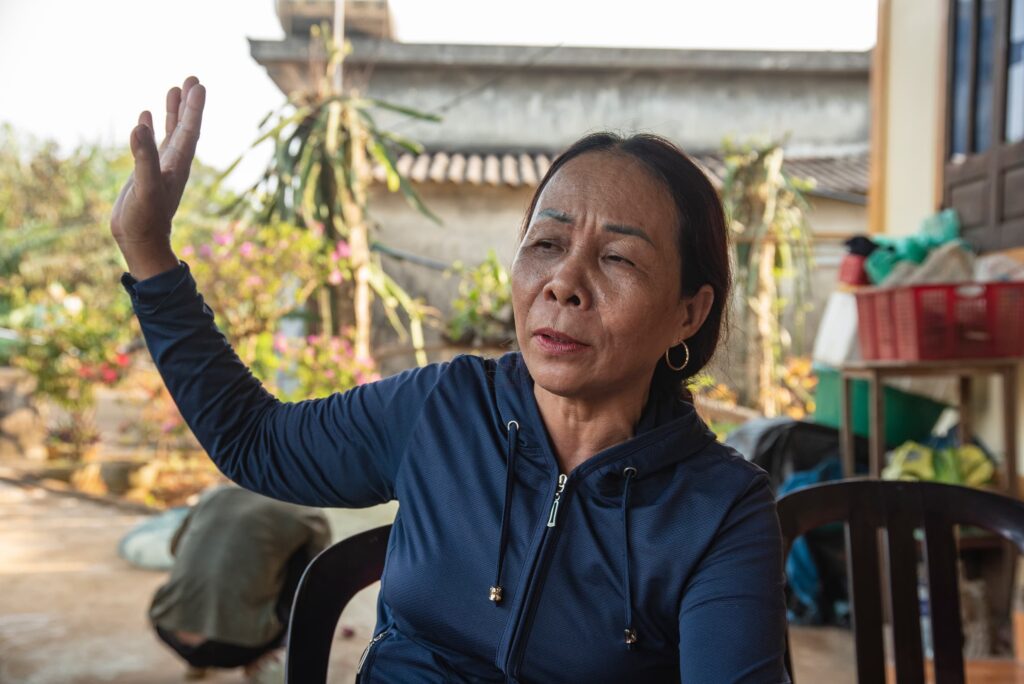
Le Vietnam, réunifié le 2 juillet 1976, a célébré le 30 avril 2025 les 50 ans de la fin de la guerre, à l’occasion de l’anniversaire de la chute de Saïgon intervenue le 30 avril 1975. Massivement bombardés pendant ce conflit, les villageois de Vinh Moc (province de Quang Tri, au centre du Vietnam, surnommée la « Zone de feu ») ont participé entre 1965 et 1967 à la construction d’un réseau de tunnels pour s’y abriter. Dix-sept bébés sont nés dans les galeries sombres, humides et froides de Vinh Moc, dont Ho Thi Giu que nous avons retrouvée en mars dernier dans le village de Vinh Moc, non loin de ces galeries devenues un lieu de mémoire accessible au public. Elle raconte aujourd’hui son histoire.
Guerre du Vietnam : les tunnels de l’espoir
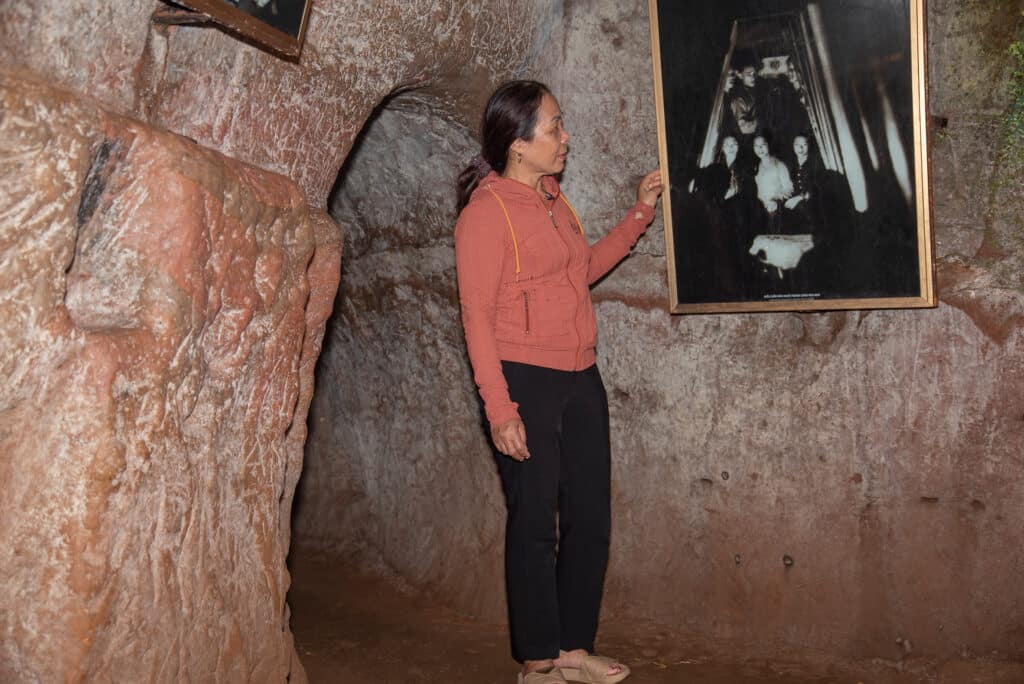
En pleine guerre du Vietnam, les habitants de Vinh Moc construisent un réseau de tunnels pour échapper aux raids de l’armée américaine qui ont détruit leur village et leurs abris. Protégés des bombes, 17 bébés sont nés dans les tunnels de Vinh Moc devenus un lieu de mémoire ouvert au public. Des classes d’alphabétisation, des concours de chant, des représentations théâtrales y sont organisés recréant sous terre une vie collective et familiale, un village sous-terrain.